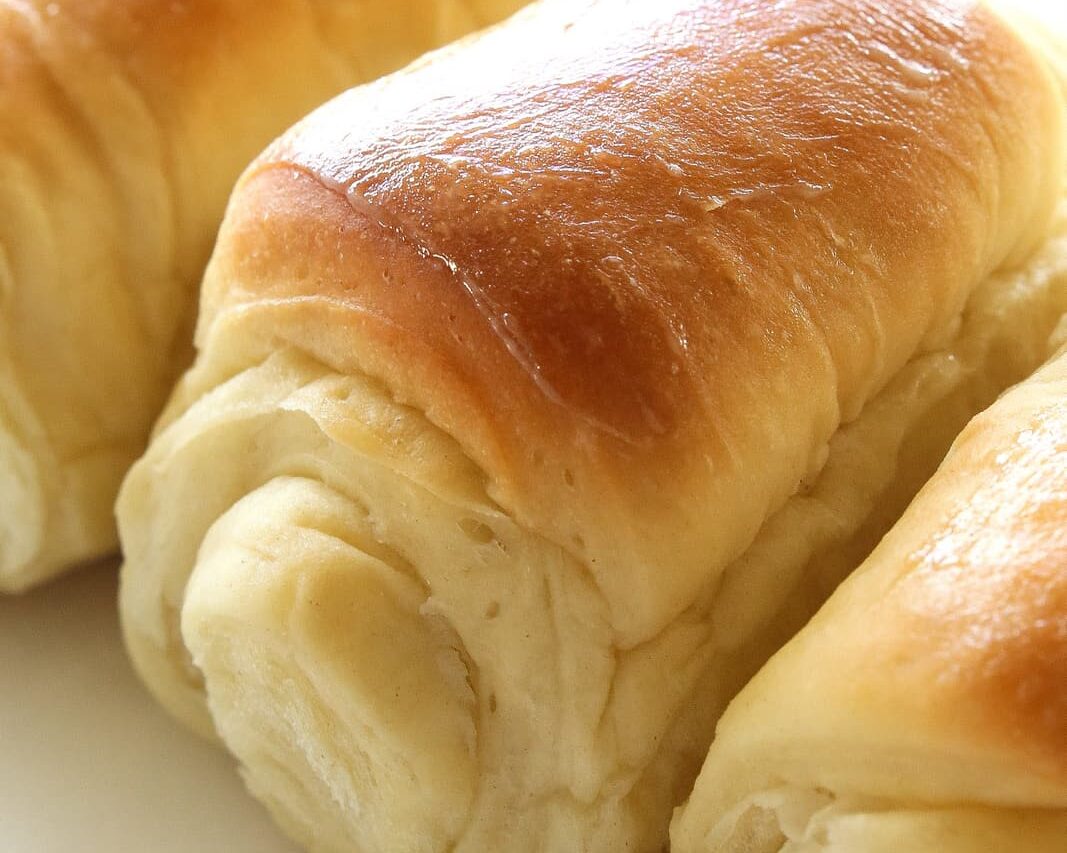
The Secret to Incredibly Soft Lion House Rolls
There are few culinary experiences as universally comforting and satisfying as biting into a perfectly soft, warm dinner roll. And when we talk about the gold standard of tender, melt-in-your-mouth rolls, the legendary Lion House Rolls almost always top the list. Originating from the historic Lion House Pantry in Salt Lake City, these rolls have achieved iconic status, celebrated for their delicate crumb, slight sweetness, and an unparalleled pillowy texture that makes them truly irresistible. Many home bakers aspire to replicate this magic in their own kitchens, often seeking that elusive secret to achieving their signature softness. This article will unravel the techniques, ingredients, and expert tips that elevate ordinary dinner rolls to the extraordinary realm of
Lion House Dinner Rolls, ensuring every bite is a cloud-like experience.
Understanding the Magic of Lion House Dinner Rolls
The allure of Lion House Rolls isn't just a matter of taste; it's an experience. For generations, these rolls have graced countless family tables, potlucks, and special occasions, becoming synonymous with comfort food and cherished memories. Their reputation for being consistently light, fluffy, and utterly delightful precedes them. But what exactly gives them that distinct edge? It's a combination of meticulous ingredient selection and precise baking techniques honed over decades. Understanding these foundational elements is the first step in unlocking the secret to their famous softness.
The history of these rolls is deeply intertwined with family gatherings and communal dining, making them more than just a recipe – they're a tradition. Their enduring popularity speaks volumes, cementing their place as a staple for those who appreciate homemade bread at its finest. To learn more about their journey and why they hold such a special place in the hearts of many, you might enjoy reading
Lion House Rolls: Why They're a Family Favorite. This background helps appreciate the commitment to quality and texture that defines these beloved rolls.
The Key Ingredients for Unparalleled Softness
The foundation of any great bread lies in its ingredients. For
Lion House Dinner Rolls, specific choices make a significant difference in achieving that coveted soft texture. It's not just about what you use, but also the quality and how each component interacts to create the ideal dough.
The Right Flour Makes All the Difference
While many recipes call for all-purpose flour, for truly soft rolls, a flour with a slightly lower protein content (around 10-11%) is often preferred. This allows for sufficient gluten development for structure without making the rolls tough. Some bakers swear by a specific brand like Gold Medal Better for Bread, which strikes a good balance. Measuring flour correctly is also paramount; using a kitchen scale for precise weight measurements (instead of volume) prevents over-flouring, a common cause of dense rolls.
The Role of Rich Dairy
*
Whole Milk: This is arguably the most crucial liquid ingredient. Whole milk adds fat and sugar (lactose), both of which contribute to tenderness, moisture, and a rich flavor. Scalding the milk (heating it almost to a boil and then letting it cool) before adding it to the yeast can activate milk proteins that further soften the dough and give it a finer crumb.
*
Milk Powder: An often-overlooked secret, a tablespoon or two of dry milk powder can amplify the softness without adding extra liquid. It boosts protein and lactose content, leading to a more tender texture and better crust browning.
Fat is Your Friend (Butter or Shortening)
Fat plays a critical role in bread by interfering with gluten development, resulting in a more tender crumb.
*
Butter: Unsalted butter is typically used for its superior flavor. It contributes richness and helps achieve that characteristic melt-in-your-mouth quality. Ensure it's softened to room temperature for even distribution.
*
Shortening: Some traditional Lion House Roll recipes incorporate a small amount of vegetable shortening alongside butter. Shortening is 100% fat and has no water content, which can yield an even softer, more consistent texture, often making rolls stay soft for longer. Experiment to see which you prefer!
Sweetness and Yeast Activity
*
Sugar: Beyond feeding the yeast, sugar tenderizes the dough, enhances browning, and adds to the rolls' signature subtle sweetness. Granulated sugar is standard.
*
Yeast: Active dry yeast or instant yeast can be used. Instant yeast is often preferred for its convenience as it doesn't require proofing in warm water first, though many bakers still proof active dry yeast to ensure it's viable. Ensuring your yeast is fresh and active is fundamental for a good rise.
The Balancing Act of Salt
Salt is vital for flavor and also controls yeast activity, preventing the dough from rising too quickly. It strengthens the gluten structure, contributing to the rolls' texture. Too little salt can result in bland, overly yeasty bread, while too much can inhibit yeast and make rolls tough.
Mastering the Dough: Techniques for a Tender Crumb
Even with the perfect ingredients, success with
Lion House Dinner Rolls hinges on precise technique. How you handle and develop the dough profoundly impacts its final softness.
Precise Measurement and Initial Mixing
As mentioned, weighing ingredients, especially flour, is key. Combine dry ingredients first, then add wet ingredients. Mix until just combined before kneading. Overmixing at this stage can activate gluten prematurely and make kneading harder.
The Art of Proper Kneading
Kneading develops the gluten network, which provides structure to the rolls. However, it's a delicate balance.
* **Adequate Kneading:** Knead the dough until it's smooth, elastic, and passes the "windowpane test" (you can stretch a small piece of dough thin enough to see light through it without tearing). This usually takes 8-10 minutes by hand or 5-7 minutes with a stand mixer on medium speed. This ensures sufficient gluten development for a light, airy crumb.
* **Avoiding Over-Kneading:** Over-kneading can make the dough tough and difficult to work with, leading to dense rolls. Pay attention to the dough's texture; it should feel smooth and spring back when poked, but not resistant or stiff.
The Crucial First Rise (Bulk Fermentation)
The first rise, or bulk fermentation, allows the yeast to work its magic, developing flavor and volume. Place the kneaded dough in a lightly oiled bowl, turn it once to coat, and cover it tightly with plastic wrap. Let it rise in a warm, draft-free place (ideally 75-80°F / 24-27°C) until it has doubled in size, typically 1 to 1.5 hours. A slow, steady rise is better for flavor and texture.
Gentle Shaping for Success
Once the dough has doubled, gently punch it down to release the air. Turn the dough out onto a lightly floured surface and divide it into equal portions. The classic Lion House Roll shape is a simple round. To achieve this, gently form each piece into a smooth ball by tucking the edges underneath and rolling it against the counter with the palm of your hand. Handle the dough as little and as gently as possible to preserve the delicate air pockets. For more detailed shaping instructions, you might find valuable tips in
Bake Authentic Lion House Dinner Rolls at Home.
The Second Rise (Proofing): Don't Rush It!
This final rise is perhaps the most critical for achieving ultimate softness. Arrange the shaped rolls close together in a greased baking pan (they should be touching slightly to help them rise vertically and stay moist). Cover them loosely with plastic wrap and let them rise again in a warm, humid environment until they are visibly puffy and have nearly doubled in size. This can take 30-60 minutes, depending on the warmth of your kitchen. To test if they're ready, gently poke a roll with a floured finger; if the indentation slowly springs back halfway, they are perfectly proofed. If it springs back fully, they need more time. If it collapses, they're over-proofed.
The Baking Process: From Oven to Absolute Perfection
Even the best-proofed dough can be ruined by improper baking. The final stage is just as important as the first.
Optimal Oven Temperature and Preheat
Preheat your oven to the specified temperature (often 375-400°F or 190-200°C) well in advance. A fully preheated oven ensures that the rolls start baking immediately, promoting a good oven spring and a light texture. Placing a shallow pan of hot water on the bottom rack of the oven during baking can create a steamy environment, which delays crust formation and results in a softer crust.
Baking Time and Doneness Cues
Bake the rolls for 12-18 minutes, or until they are golden brown on top and bottom. To ensure they are cooked through and achieve optimal softness, the internal temperature should reach between 200-210°F (93-99°C). Resist the urge to open the oven door frequently, as this can cause temperature fluctuations and inhibit a proper rise.
Post-Bake Care for Enduring Softness
Immediately after removing the rolls from the oven, brush the tops generously with melted butter. This adds flavor, creates a beautiful sheen, and, importantly, helps keep the crust soft. Transfer the rolls to a wire rack to cool slightly. While they are best enjoyed warm, allowing them to cool on a rack prevents the bottoms from becoming soggy.
Troubleshooting Common Softness Setbacks
Even experienced bakers encounter issues. Here's how to address common problems that prevent your
lion house dinner rolls from reaching their full soft potential:
Dense or Heavy Rolls
* **Too much flour:** This is the most frequent culprit. Always measure flour by weight if possible.
* **Under-kneading:** Insufficient gluten development leads to a weak structure that can't hold gas properly.
* **Over-kneading:** Paradoxically, over-kneading can also result in tough, dense rolls by breaking down the gluten strands.
* **Under-proofing:** Rolls that don't get enough time to rise (either first or second proof) will be dense.
Dry or Crumbly Rolls
* **Not enough fat or liquid:** Ensure your recipe ratios are correct, especially with milk and butter/shortening.
* **Overbaking:** Baking rolls for too long at too high a temperature dries them out. Keep an eye on the clock and their color.
* **Not enough moisture:** A steamy oven environment can help keep rolls moist.
Tough Texture
* **Over-kneading:** As mentioned, this makes gluten too strong.
* **Too much flour:** A dry dough will always result in a tougher roll.
* **Not enough fat:** Fat interferes with gluten, so insufficient fat allows gluten to become too strong.
By understanding these common pitfalls, you can adjust your technique and ingredients to achieve consistently soft and tender rolls every time.
The pursuit of the perfect
Lion House Dinner Rolls is a rewarding journey. It requires attention to detail, a commitment to quality ingredients, and a respectful understanding of the dough. From carefully selecting your flour and dairy to mastering the art of kneading and proofing, every step contributes to the final, melt-in-your-mouth experience. By following these secrets—the right ingredients, precise handling, and attentive baking—you're not just baking rolls; you're crafting a culinary masterpiece that will bring joy and comfort to your table. Practice these techniques, trust the process, and soon you'll be delighting everyone with your incredibly soft, homemade Lion House Rolls.