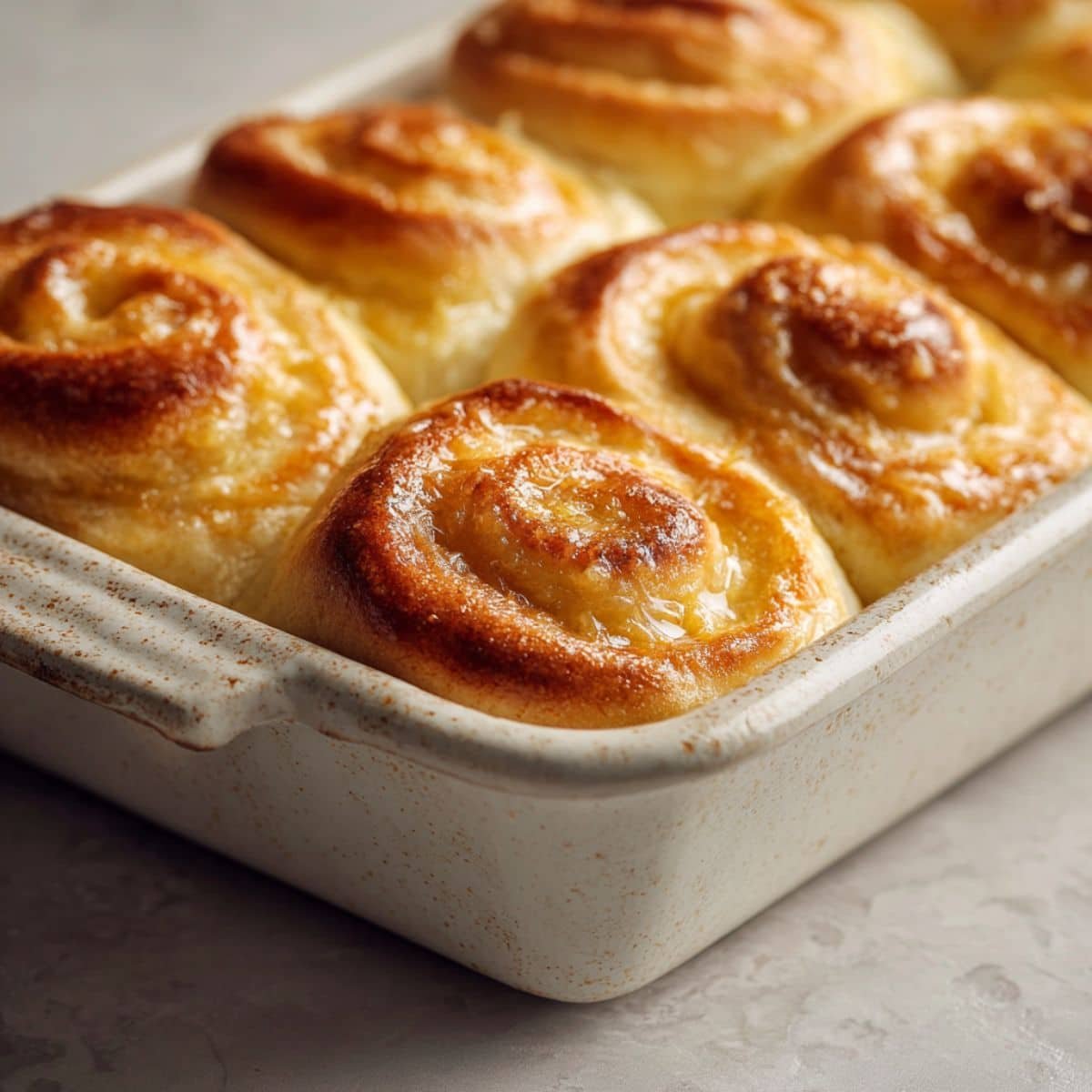
Bake Authentic Lion House Dinner Rolls at Home
There are few culinary delights as comforting and universally loved as a perfectly baked dinner roll. Among the pantheon of beloved bread recipes, the **Lion House dinner rolls** stand out as legendary. Originating from the historic Lion House Pantry in Salt Lake City, Utah, these rolls have achieved iconic status for their unparalleled softness, delicate sweetness, and golden, buttery crust. For generations, they've graced holiday tables, special occasions, and everyday family meals, leaving an indelible mark on anyone who tastes them. While the allure of enjoying them fresh from the Lion House is undeniable, the true magic lies in replicating that experience in your own kitchen. This comprehensive guide will walk you through everything you need to know to bake authentic **Lion House dinner rolls** at home, transforming your kitchen into a haven of warmth and delicious aromas.The Legacy of Lion House Dinner Rolls
The story of the **Lion House dinner rolls** is deeply intertwined with the history of the Lion House itself. Built in 1856 by Brigham Young, the second president of The Church of Jesus Christ of Latter-day Saints, the Lion House has served various purposes over the years, eventually becoming a popular restaurant and catering venue. It was here, in the Lion House Pantry, that these remarkable rolls gained their fame. Known for their consistent quality and irresistible texture, the recipe was carefully guarded but eventually shared, allowing home bakers worldwide to recreate a piece of this culinary legacy. What makes these particular rolls so special? It's a combination of factors. Their signature softness comes from a rich dough made with milk, eggs, and butter, contributing to a tender crumb that practically melts in your mouth. A touch of sugar provides a subtle sweetness and aids in that beautiful golden-brown crust. More than just a recipe, baking **Lion House dinner rolls** is often seen as a treasured tradition, a way to bring people together and create lasting memories around the dinner table. They are more than just bread; they are a symbol of hospitality, warmth, and home.Essential Ingredients for Perfect Lion House Rolls
To achieve the characteristic texture and flavor of authentic **Lion House dinner rolls**, using the right ingredients and understanding their roles is key. Quality matters here, as each component contributes significantly to the final product.- All-Purpose Flour: Unbleached all-purpose flour is generally recommended. It provides the ideal balance of protein for good gluten development, leading to a chewy yet tender roll. Accurately measuring flour is crucial; using a kitchen scale for precise measurement (e.g., 480-500g for 4 cups) will yield the best results and prevent dry, dense rolls.
- Active Dry Yeast: This is the leavening agent that makes your rolls light and fluffy. Ensure your yeast is fresh and active. If using instant yeast, you can skip the proofing step and add it directly to the dry ingredients, but proofing active dry yeast first ensures it's alive and well.
- Whole Milk: The richness of whole milk contributes significantly to the rolls' tender crumb and flavor. It's essential to warm the milk to the correct temperature (105-115°F or 40-46°C) to activate the yeast without killing it. Too cold, and the yeast won't activate; too hot, and it will die.
- Granulated Sugar: Sugar serves multiple purposes: it feeds the yeast, adds a subtle sweetness to the rolls, and helps with browning of the crust.
- Unsalted Butter: Melted butter adds incredible flavor, richness, and contributes to the rolls' soft texture. Using unsalted butter allows you to control the overall saltiness of the recipe.
- Large Eggs: Eggs provide additional richness, structure, and a beautiful golden color to the dough. They also contribute to the rolls' tender crumb.
- Salt: A pinch of salt is vital for balancing the flavors, enhancing the sweetness, and controlling yeast activity. Don't skip it!
By understanding and carefully measuring each of these components, you're laying the foundation for truly spectacular **Lion House dinner rolls**.
Step-by-Step Guide to Baking Your Own Lion House Dinner Rolls
Baking these delightful rolls is a rewarding process that involves several stages, each crucial for success. Follow these steps carefully to achieve that authentic Lion House taste and texture.- Activate the Yeast: In a large mixing bowl (or the bowl of a stand mixer), combine the warm milk (105-115°F), a pinch of the granulated sugar, and the active dry yeast. Stir gently and let it sit for 5-10 minutes. The mixture should become foamy, indicating the yeast is active. If it doesn't foam, your yeast might be old, or your milk was too hot/cold – start again with fresh yeast.
- Combine Wet Ingredients: Once the yeast is foamy, add the remaining granulated sugar, melted butter, and eggs to the bowl. Whisk everything together until well combined.
- Add Dry Ingredients: Gradually add about half of the flour to the wet ingredients, mixing until just combined. Then, add the salt and continue adding the remaining flour, about a cup at a time, mixing after each addition until a shaggy dough forms.
- Knead the Dough: Turn the dough out onto a lightly floured surface or use the dough hook of your stand mixer. Knead for 8-10 minutes, or until the dough is smooth, elastic, and no longer sticky. The dough should pass the "windowpane test" – you should be able to stretch a small piece of dough thin enough to see light through it without tearing. This indicates proper gluten development, which is essential for soft rolls.
- First Rise (Bulk Fermentation): Lightly grease a clean large bowl. Place the kneaded dough in the bowl, turning it once to coat the top. Cover the bowl tightly with plastic wrap or a clean kitchen towel. Let the dough rise in a warm, draft-free place for 1 to 1 ½ hours, or until it has doubled in size.
- Shape the Rolls: Gently punch down the risen dough to release the air. Turn it out onto a lightly floured surface. Divide the dough into equal portions. For standard dinner rolls, aim for pieces weighing about 2 ounces each (approximately 24-30 rolls, depending on size preference). Form each piece into a smooth, round ball by pinching the seams underneath or by rolling it between your palm and the counter.
- Second Rise (Proofing): Arrange the shaped rolls in greased 9x13 inch baking pans, leaving a little space between each roll (they will expand). Cover the pans loosely with plastic wrap or a clean towel and let them rise in a warm place for another 30-45 minutes, or until they are noticeably puffy and almost doubled in size.
- Bake the Rolls: Preheat your oven to 375°F (190°C). If desired, you can brush the tops of the rolls with an egg wash (one egg beaten with a tablespoon of water) for an extra golden sheen, or simply with melted butter. Bake for 12-18 minutes, or until the tops are beautifully golden brown and the internal temperature reaches 190-200°F (88-93°C).
- Finish with Butter: As soon as the rolls come out of the oven, brush their tops generously with additional melted butter. This adds a fantastic flavor and keeps the crust soft.
Mastering the Art: Tips for Incredibly Soft and Fluffy Rolls
While the recipe provides the roadmap, certain techniques and considerations can elevate your **Lion House dinner rolls** from good to truly exceptional. Achieving that signature melt-in-your-mouth softness requires a little attention to detail.- Don't Over-Flour: Resist the urge to add too much flour during kneading or shaping. A sticky dough is often a good sign; adding too much flour will result in dry, dense rolls. A light dusting on your work surface is usually sufficient.
- Knead Properly: Under-kneading won't develop enough gluten, leading to a crumbly texture. Over-kneading can make the dough tough. Aim for that smooth, elastic consistency described in the windowpane test. This is one of the crucial steps for incredibly soft rolls. You can read more about achieving this ideal texture in The Secret to Incredibly Soft Lion House Rolls.
- Maintain Ideal Rising Conditions: Yeast thrives in warmth. A slightly humid, warm environment (around 75-80°F or 24-27°C) is perfect. You can create this by placing the covered dough in a slightly warmed oven (turned off, with the light on) or near a sunny window. Avoid cold drafts, which can inhibit yeast activity.
- Don't Over-Bake: This is perhaps the most common mistake that leads to dry rolls. As soon as the tops are a rich golden brown, and they sound hollow when tapped, take them out. A quick brush of melted butter immediately after baking locks in moisture and adds to the softness.
- Consistency in Shaping: Try to make your rolls roughly the same size and shape. This ensures they bake evenly. Uneven rolls will have some over-baked while others are still doughy.
- Use Fresh Ingredients: Especially yeast and milk. Expired yeast won't activate, and old milk can impart off-flavors.
Serving Suggestions and Making Them Your Own
Your freshly baked **Lion House dinner rolls** are a versatile addition to almost any meal. Their simple, elegant flavor makes them perfect on their own or as an accompaniment. Serve them warm with a generous smear of butter, homemade jam, honey, or even a savory herb butter. They are fantastic alongside hearty stews, chili, roasted meats, or a simple bowl of soup. On holidays, they are an absolute staple, providing the perfect vehicle for soaking up gravies and sauces. Many families consider **Lion House dinner rolls** a traditional part of their holiday feast, and it's easy to see Lion House Rolls: Why They're a Family Favorite. If you're feeling adventurous, you can easily customize your rolls:- Garlic Herb Rolls: Knead in finely minced garlic and fresh herbs like rosemary or thyme into the dough before the first rise.
- Cheese Rolls: Fold in shredded cheddar or Parmesan cheese during the final kneading phase.
- Sweet Rolls: Sprinkle cinnamon sugar onto the dough before shaping for a lightly sweet, swirled roll.
Leftover rolls (if there are any!) can be stored in an airtight container at room temperature for 2-3 days or frozen for up to a month. Reheat gently in the oven or microwave for that fresh-baked taste.
Baking authentic **Lion House dinner rolls** at home is more than just following a recipe; it's an experience. From the comforting aroma that fills your kitchen as the dough rises, to the unparalleled satisfaction of pulling a pan of golden-brown, fluffy rolls from the oven, it's a culinary journey steeped in tradition and deliciousness. While they may seem intimidating at first, with a little practice and attention to the tips outlined above, you'll be baking batches of these legendary rolls that rival the original. Share them with family and friends, and watch as these incredible dinner rolls become a cherished part of your own home baking legacy. Happy baking!
